


It's one of those things you never think about. The waistband is the part of your underwear you notice the least when it's good and the most when it isn't. But the stretchy, flat, stays-where-you-put-it waistband is surprisingly new.
Before the 20th century, clothes that needed to adjust to a body used buttons, hooks, laces and belts, fastenings that had barely changed in centuries. Rubber was around, and inventors made elastic straps and suspenders from it in the 1800s. But early rubber was expensive, wore out quickly, and was also sticky and smelly. Not something you'd want against your skin all day.
The boxing ring started it
One of the turning points came from sport. In 1925, Jacob Golomb, the founder of Everlast, designed elastic-waisted trunks for boxers to replace the leather-belted ones they wore. A belt restricts movement, and boxers live on footwork. Those trunks are where "boxer shorts" get their name. The term has been used for shorts with an elastic waist since 1944.
Then came rubber yarn
The next leap was Lastex, a yarn with a rubber core wrapped in cotton, silk, rayon or wool, which came on the market in the early 1930s. Wrapping the rubber meant it could be knit and sewn like regular thread, and it felt like fabric instead of a rubber band. Swimsuits and foundation garments picked it up first.
Underwear followed.
On January 19, 1935, a Chicago department store, Marshall Field's, put a new legless men's brief in its window on a freezing winter day. The store sold out its 600 packages by noon, according to the maker's own company history. The brief was born. A fun Canadian footnote: the maker's first international licence, in 1936, went to a Canadian company, J.R. Moodie, according to that same company history.
The war sent waistbands backwards
Then came World War II. Rubber was a strategic material for tires, boots and equipment, and in the US the War Production Board took control of how rubber was allocated. The rubber that would have gone into elastic waistbands went to the military instead. That's one reason button-front, yoke-style boxers were so common during the war. For a few years, millions of people went back to buttoning and tying their underwear.
The shortage also set off a race for synthetics. It ended in 1958, when DuPont introduced spandex (also sold as Lycra), a fibre far stretchier and more durable than rubber. Rubber elastic went brittle with washing, heat and sunlight. Spandex held up. It's in almost every waistband you own today, and it's 5% of our fabric.
Our waistband
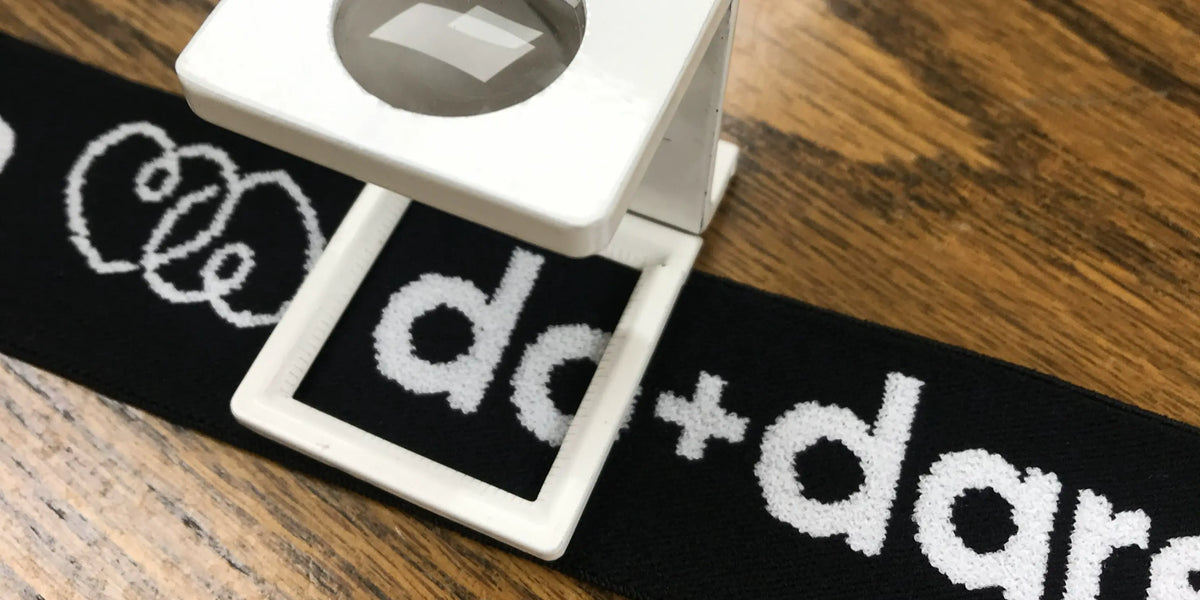
Montreal is where we currently have our waistband made, right here in Canada. We spent a lot of time getting it as soft yet sturdy as possible, a fine line to walk. We've worked with a few different suppliers to get it right - including some revisions along the way. It's also why our two-year warranty matters to us: if a waistband gives up early, we want to know.
The takeaway
The next time you pull on your do+dares without thinking about it, that's the point. It took a boxer's footwork problem, a rubber-thread invention, a sold-out shop window and a world war to get there. We just want ours to be the kind you never have to think about.
Thanks for reading,
-Sarah+Rob
Frequently Asked Questions - Elastic Waistband
When was the elastic waistband invented?
Rubber elastic straps and suspenders existed in the 1800s, but elastic waistbands became mainstream in the 1920s and 1930s. Everlast's founder, Jacob Golomb, designed elastic-waisted boxing trunks in 1925, and rubber-core yarns like Lastex arrived in the early 1930s. Modern waistbands mostly use spandex, which DuPont introduced in 1958.
What did people use to hold up underwear before elastic?
Before elastic, underwear and trousers were held up with buttons, ties, drawstrings, belts and laces. These fastenings had changed very little over centuries. Early rubber was used for straps and suspenders, but it was expensive and wore out quickly.
Why are they called boxer shorts?
Boxer shorts are named after the elastic-waisted trunks worn by boxers. In 1925, Everlast founder Jacob Golomb replaced boxers' leather-belted trunks with an elastic waist so fighters could move freely. The term "boxer shorts" has been used to describe shorts with an elastic waist since 1944.
Why did underwear go back to buttons during World War II?
Rubber was a strategic wartime material, and in the US its use was controlled by the War Production Board. Rubber that would have gone into elastic waistbands was used for the military instead, so button-front and tie styles became common again. The shortage also sped up the development of synthetic alternatives.
What's the difference between rubber elastic and spandex?
Rubber elastic tends to go brittle and lose its stretch with washing, heat and sunlight. Spandex (also called elastane or Lycra) is a synthetic fibre that is more stretchy and durable. It's now used in most waistbands and stretch fabrics.
Why does my underwear waistband roll down?
A waistband usually rolls when it's too narrow or soft for the fabric below it, when the tension is uneven, or when the elastic has lost its recovery. The wrong size can cause rolling too. A waistband that lies flat and snaps back after stretching is less likely to roll.
Where does do+dare's waistband come from?
do+dare's waistband and thread come from Montreal, its labels from Markham, Ontario, and the underwear is sewn in Scarborough, Ontario. The fabric itself is 95% bamboo viscose and 5% spandex.
What happens if my do+dare waistband stretches out?
Every pair of do+dare underwear has a two-year warranty, so contact the team if a waistband fails early. For sizing problems, do+dare offers free exchanges within 30 days.
Sources
Amanda Foreman, "Historically Speaking: How the Waistband Got Its Stretch," originally published in The Wall Street Journal. Early rubber's drawbacks; DuPont's spandex (Lycra) in 1958.
Wikipedia, "Boxer shorts." Jacob Golomb's elastic-waisted trunks (1925); the term "boxer shorts" since 1944; tie-side styles during the WWII rubber shortage.
Wikipedia, "Lastex." Rubber-core yarn wrapped in cotton, silk, rayon or wool, on sale from 1931.
Jockey International, "Our History." Marshall Field's sold out 600 packages by noon (1935); first international licence to J.R. Moodie of Canada (1936).
The Scotsman, "Y-fronts celebrate 80 years of support" (2014). Launch date of January 19, 1935 at Marshall Field's, Chicago.
The Lingerie Museum, "How World War II Changed Women's Underwear." The War Production Board's control of rubber, the raw material of elastic thread.